
Is Palm Jumeirah Expensive To Live?
Let’s face it.
Living in a place as iconic as the Palm Jumeirah doesn’t come cheap.
If you’ve ever dreamed of waking up to ocean views, exclusive beaches, and an address that screams luxury, you’re not alone.
But before you pack your bags for Dubai’s most sought-after neighborhood, it’s essential to understand what living here really costs.
Here’s the good news:
We’re about to break down the numbers for you—everything from rent and utilities to dining out and groceries—so you can decide if Palm Jumeirah is your dream destination or just a fantasy.
Let’s dive in.
What Makes Palm Jumeirah So Exclusive?
First, let’s talk about why Palm Jumeirah is so expensive.
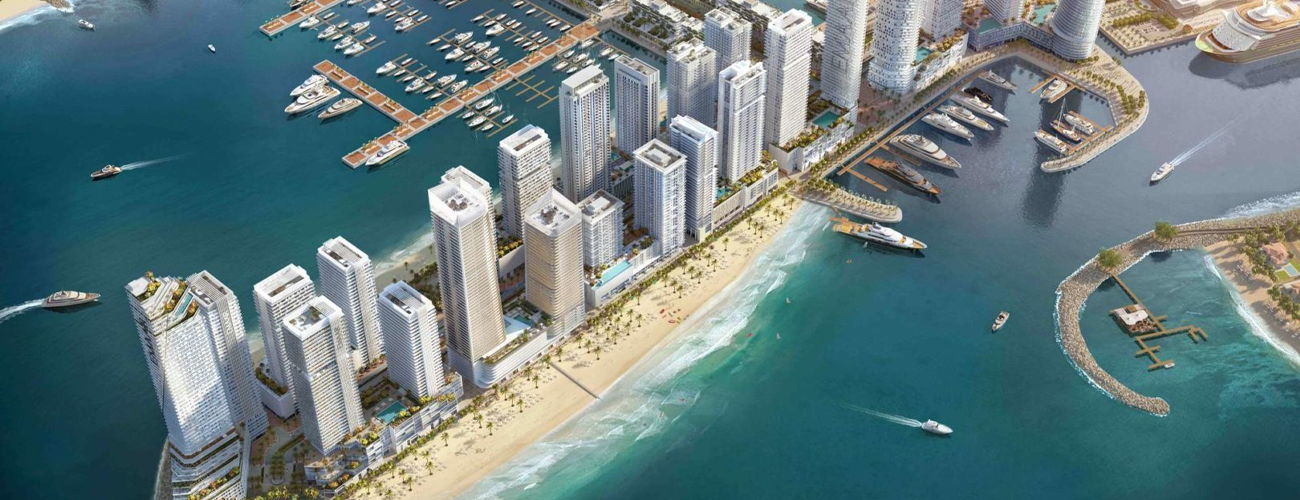
This man-made island isn’t just a marvel of engineering; it’s a lifestyle statement. Picture this:
- Villas with private beaches.
- World-class restaurants just a stroll away.
- Stunning views of the Dubai skyline.
Sounds dreamy, right? But luxury like this comes at a cost—and not just in terms of money.
The exclusivity of Palm Jumeirah often means a trade-off in affordability and convenience.
How much is Rent in Palm Jumeirah?
If you’re considering moving here, rent will likely be your most significant expense.
Let’s break it down:
- One-bedroom apartments: AED 70,000–150,000 per year
- Larger apartments or townhouses: AED 200,000+ per year
- Luxury villas: AED 1 million+ per year
In comparison, you could rent a decent apartment in neighborhoods like Downtown Dubai for as little as AED 40,000 annually.
But hey, exclusivity doesn’t come cheap.
Utilities: Small Costs Add Up
Utilities may seem like a minor expense compared to rent, but in Palm Jumeirah, they can be surprisingly steep. Here’s what to expect:
- Electricity: Around AED 0.25 per kWh, slightly higher than Dubai’s average of AED 0.20 per kWh.
- Water: AED 0.50 per m³, again a bit more than the citywide average of AED 0.45.
- Gas: Approximately AED 0.50 per m³.
Add in internet, cable, and phone services, and you’re looking at an additional AED 200–400 per month.
Groceries: The Palm Premium
Here’s the deal:
Groceries in Palm Jumeirah can cost up to 20% more than other neighborhoods in Dubai.
Why?
You’re paying for convenience, premium stores, and imported goods.
For example:
- A week’s worth of groceries: AED 500+
- Dining out: AED 50–200 per person
If you’re a fan of eating out, you’ll find everything from casual cafes to Michelin-starred restaurants. Just don’t expect your wallet to stay heavy after a fancy dinner.
Transportation: The Hidden Cost of Convenience
Public transportation options in Palm Jumeirah are limited, so owning a car or relying on taxis is almost a necessity.
Here’s what that looks like:
- Taxi fares: Start at AED 10 and can go up to AED 50 for longer distances.
- Car costs: AED 50,000–200,000 depending on the make and model.
Pro tip: If you’re buying a car, factor in fuel and maintenance costs—they add up quickly.
Is Palm Jumeirah Worth It?
This is the million-dirham question (quite literally).
Palm Jumeirah offers unparalleled luxury, breathtaking views, and a lifestyle most people only dream about. But it comes at a premium.
If you’re willing to pay for exclusivity and a high standard of living, it’s worth every dirham. If not, there are plenty of other fantastic neighborhoods in Dubai that offer more affordability without compromising too much on quality.
Palm Jumeirah vs. Other Dubai Neighborhoods: A Cost Comparison
If Palm Jumeirah feels too pricey, you’re not alone in considering alternatives.
Dubai is a city of contrasts, and while the Palm stands out for its luxury, there are other neighborhoods that cater to different budgets without sacrificing quality of life.
Here’s how Palm Jumeirah stacks up:
Downtown Dubai
- Rent: AED 40,000–80,000 per year for a one-bedroom apartment.
- Groceries: Up to 15% cheaper than Palm Jumeirah.
- Transportation: More public transport options, including the Dubai Metro.
Jumeirah Lake Towers (JLT)
- Rent: AED 35,000–70,000 per year for a one-bedroom.
- Groceries and utilities: Comparable to Downtown Dubai.
- Lifestyle: Great for young professionals, with plenty of restaurants, parks, and a more affordable vibe.
Dubai Marina
- Rent: AED 50,000–120,000 per year.
- Groceries: Slightly cheaper than the Palm.
- Lifestyle: Offers waterfront living at a lower cost, but without the exclusivity of private beaches.
Palm Jumeirah remains the pinnacle of luxury, but if your budget doesn’t quite stretch, these neighborhoods offer fantastic alternatives at a fraction of the cost.
Saving Money on Rent in Palm Jumeirah
Living in Palm Jumeirah doesn’t always have to mean breaking the bank. Here are some tried-and-tested ways to cut costs on rent:
- Sign a Longer Lease: Landlords often give discounts for longer commitments. If you can lock in a two-year lease, you might secure a better rate.
- Negotiate: Don’t hesitate to negotiate with landlords. If you’re a reliable tenant or can pay several months upfront, you might get a discount.
- Look for Shared Accommodation: Sharing a villa or apartment can significantly reduce your living expenses.
- Furnished Apartments: Opt for furnished rentals to save on upfront furniture costs.
Remember, a little legwork and negotiation can go a long way in saving you thousands of dirhams.
Investing in Real Estate in Palm Jumeirah: Is It Worth It?
For investors, Palm Jumeirah offers plenty of opportunities—but it’s not without risks. Here’s a closer look:
Pros of Investing in Palm Jumeirah
- High Returns: The area is known for its strong rental yields and capital appreciation. Luxury properties here often maintain their value.
- Prestige Factor: Owning property in Palm Jumeirah isn’t just an investment; it’s a status symbol.
- Strong Demand: Palm Jumeirah is a hotspot for high-net-worth individuals, ensuring steady demand for rentals.
Cons of Investing in Palm Jumeirah
- Sky-High Prices: Real estate here doesn’t come cheap, with properties ranging from AED 1.5 million to AED 40 million.
- Maintenance Costs: Luxury properties often come with high maintenance fees, which can eat into your returns.
- Limited Availability: Finding the right property can be a challenge due to limited inventory.
In conclusion, Palm Jumeirah can be a fantastic investment if you’re looking for luxury and long-term returns.
However, it’s essential to factor in all costs, including maintenance and potential vacancies.