

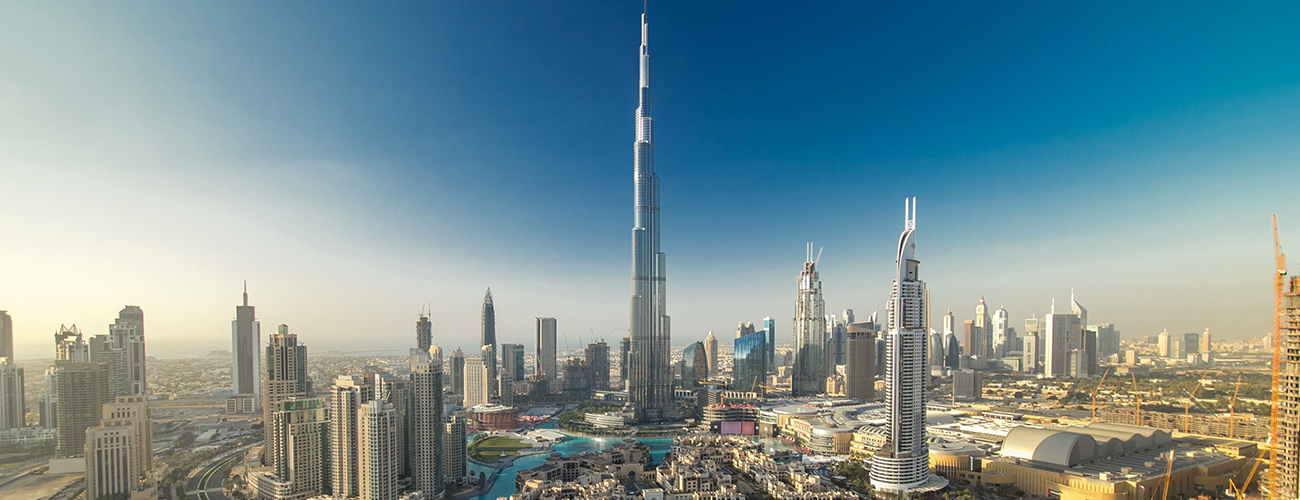
Living in Dubai as an Expat: The Ultimate Guide
Moving to Dubai is an exciting decision.
The city has become a top choice for people from all over the world which offers unbeatable opportunities and unforgettable experiences.
However, for some it also presents some challenges.
Here’s a detailed overview at the pros and cons of living in Dubai, backed by facts and insights to help you decide if it’s the right place for you.
Pros of Life in Dubai
1. Great Weather (Most of the Year)
Dubai enjoys sunshine almost every day of the year.
From November to March, the weather is especially pleasant, with daytime temperatures ranging between 20°C and 30°C (68°F to 86°F).
This is the perfect season for outdoor activities like exploring the desert, lounging at beaches, or dining at open-air restaurants.
Even during the hotter months, most indoor spaces are air-conditioned, making daily life manageable.
For comparison, Dubai has over 350 days of sunshine every year, making it one of the sunniest cities in the world, which is a stark contrast to the dark & gloomy winters in many expats home countries.
2. No Income Tax
Dubai’s tax-free status is one of its strongest appeals.
There’s no income tax on salaries, which means you take home 100% of your earnings.
For businesses, free zones like Jebel Ali or Dubai Multi Commodities Centre allow 100% foreign ownership and offer corporate tax exemptions for up to 50 years.
This financial incentive has made Dubai a magnet for high-earning professionals and entrepreneurs, especially in sectors like technology, finance, and real estate.
However, it’s important to note that VAT (Value Added Tax) is levied at 5%, which is still among the lowest in the world.
3. Job Opportunities
Dubai is a thriving economic hub, home to over 300,000 international businesses.
Industries like finance, real estate, logistics, and hospitality are booming.
According to government data, Dubai’s GDP grew by 3.3% in 2024, with sectors like real estate contributing significantly.
Dubai also actively promotes entrepreneurship through initiatives like the Dubai Future Accelerators program, which supports startups in technology and innovation.
Professionals in niche industries often find opportunities to advance their careers in a competitive but rewarding environment.
4. High Standard of Living
Dubai is built for luxury.
Expats enjoy access to some of the best healthcare facilities in the world, such as Mediclinic and Cleveland Clinic Abu Dhabi.
The city is ranked among the safest in the world, with a crime index of just 15.92 (as of 2023).
Its infrastructure is world-class, featuring well-maintained roads, a reliable metro system, and cutting-edge architecture.
For families, amenities like parks, schools, and kid-friendly activities make it an ideal place to settle down.
5. Vibrant Social Life
There’s no shortage of things to do in Dubai.
From exclusive beach clubs like Nikki Beach to rooftop lounges with views of the Burj Khalifa, the city’s social scene caters to every taste.
Annual events like the Dubai Shopping Festival and the World Expo bring the city to life, attracting visitors from around the globe.
For expats, joining social groups or participating in cultural festivals like Diwali or Christmas ensures there’s always something to look forward to.
The city’s nightlife, though regulated, is vibrant, with high-end clubs and lounges like White Dubai and Soho Garden setting the standard.
6. Accessibility
Dubai is strategically located between East and West. Its airport, Dubai International (DXB), connects to over 240 destinations worldwide and serves as a major hub for Emirates Airlines.
The city’s geographical location also makes weekend getaways to destinations like the Maldives, Oman, or Sri Lanka quick and convenient. For expats who frequently travel for business or leisure, this accessibility is a significant advantage.
7. English is Widely Spoken
Although Arabic is the official language, English is the primary language of business and daily life in Dubai.
Whether you’re navigating legal paperwork, ordering at a restaurant, or attending meetings, English ensures a seamless experience.
Expats from countries like the UK, US, and Australia often find it easy to adapt since communication barriers are minimal.
Additionally, signs, menus, and official documents are almost always available in English.
8. Advanced Healthcare System
Dubai offers world-class healthcare facilities that meet international standards.
Expats have access to private hospitals and clinics equipped with cutting-edge technology and highly qualified professionals.
Dubai is ranked as one of the top cities globally for medical tourism, attracting patients from around the world for specialised treatments.
Health insurance is mandatory, ensuring residents are covered for most medical needs.
9. Safety and Security
Dubai is the safest city in the world, with a very low crime rate.
Strict laws and effective policing make it an ideal location for families and individuals.
So it stands to reason why Dubai is a popular choice for expats globally.
Cons of Life in Dubai
1. Extreme Summer Heat
From June to September, temperatures in Dubai can soar above 45°C (113°F). The intense heat makes outdoor activities nearly impossible during the day. Even walking short distances can be uncomfortable.
While air-conditioning is everywhere, the high electricity bills during summer months can add to living costs. Many expats choose to travel during this period to escape the heat.
2. Expensive Rent and Living Costs
Living in Dubai can be costly, especially for expats used to more affordable cities. Renting a one-bedroom apartment in Downtown Dubai or Dubai Marina can cost between AED 80,000 and AED 120,000 annually ($21,800–$32,600).
Beyond rent, dining out, private schooling, and medical insurance contribute to the high cost of living. However, budget-friendly options do exist in suburban areas like Mirdif or Jumeirah Village Circle.
3. Cultural Differences and Local Laws
Dubai operates under Islamic law, which may feel restrictive to some expats. Public displays of affection, swearing, or wearing revealing clothing can lead to fines or other penalties.
It’s important to understand and respect local customs, especially during Ramadan when eating or drinking in public during daylight hours is prohibited. While Dubai is more liberal than other cities in the region, cultural sensitivity is essential.
4. Censorship and Internet Restrictions
Certain websites and apps are blocked in Dubai, including some VoIP services like Skype and WhatsApp calls. While alternatives like Zoom and Microsoft Teams are available, these restrictions can be frustrating for newcomers.
VPNs are commonly used to bypass these blocks, though their use is technically prohibited under UAE law.
5. Restricted Alcohol Consumption
Alcohol is only available in licensed venues such as hotels, clubs, and restaurants. Residents need a liquor license to buy alcohol for personal consumption at home.
While these restrictions may not impact everyone, they are worth considering, especially for expats used to more liberal policies.
6. Fast-Paced Lifestyle
Dubai’s high-energy, competitive environment can feel overwhelming for some. Long work hours are common, especially in industries like finance and real estate. The fast-paced lifestyle might not suit those looking for a more laid-back or balanced pace of life.
Conclusion
Living in Dubai as an expat comes with numerous advantages.
From sunny weather and tax-free earnings to luxury living and global connectivity, the city has a lot to offer.
However, it’s important to weigh these against the challenges, such as cultural differences, high living costs, and extreme summer heat.
For those who value a dynamic lifestyle, career growth, and safety, Dubai is a city that delivers on its promise of opportunity and comfort.